

Application scenarios
Circuit boards occupy an important position in automobiles, and their applications cover almost all key components and systems of automobiles. With the continuous improvement of traditional automobile intelligence and digitization, and the continuous development of new energy vehicles, autonomous driving technology (ADAS) is flourishing. The usage, integration, and importance of circuit boards continue to increase. According to Prismark, a foreign authoritative institution, traditional cars have a PCB usage of about 1-1.5 square meters for ordinary cars and about 2.5-3 square meters for luxury cars. The price per meter is close to 200 USD, and the PCB value per luxury car is about 500-800 USD. The BMS main control circuit in the power control system of new energy vehicles requires approximately 0.24 square meters of PCB, with a unit price of up to 350 USD/square meter; The PCB usage of the individual management unit is 3-5 square meters; VCU and MCU have relatively low PCB usage of about 0.03-0.15 square meters, and the PCBs used are ordinary boards with a price of around 200 USD/square meter. The average PCB demand required is as high as 3-5 square meters; In addition to other electronic systems, the PCB usage of the entire vehicle is between 5-8 square meters, which means that the PCB demand of a single new energy vehicle is more than 5 times that of a regular car. The average price of the power system of a new energy vehicle is about 350 USD per square meter, while other systems are calculated at 200 USD per square meter. The PCB value of a single vehicle is about 1600-2000 USD.
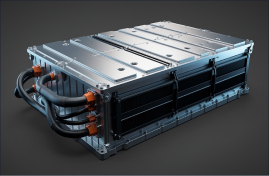
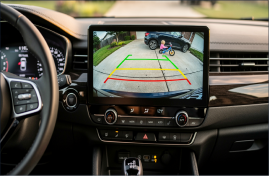
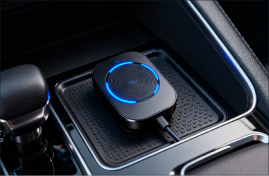
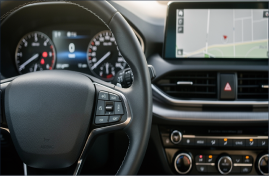
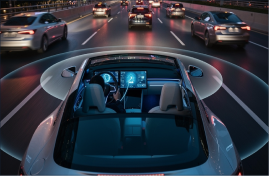
At present, SuJia PCB boards are mainly used in the automotive electronics field in the following areas: car hosts, LCD instruments, combination cabins, controllers, car networking services, automatic parking head up display (HUD), car wireless charging, various switches, reversing images, intelligent driving systems, other driving assistance systems, car power battery controllers, and protection boards.
Difficulties in control
The main characteristic of automotive electronics compared to ordinary consumer electronics products is that it requires higher quality. This is due to the poor working environment of circuit boards in cars and the need to ensure long-term reliability. Specifically, this is reflected in the production and manufacturing of circuit boards in the following aspects:
- Material selection: The board material needs to be resistant to CAF and have medium to high TG values to ensure that ion migration or deformation of the circuit board caused by high temperatures does not occur; Copper foil and copper balls need to be selected with high purity to ensure good conductivity and fatigue resistance. Ink needs to be selected with high temperature resistance and strong chemical corrosion resistance.
- Copper thickness: The copper thickness needs to comply with the IPC-3 standard, and the hole copper thickness needs to be ≥ 23um. In addition, the ductility of copper needs to be ensured to avoid the situation where high temperature causes the hole copper to crack, leading to open and short circuits in the electronic system.
- Hole thickness: Hole thickness has a significant impact on the stability of circuit boards, mainly in two aspects: affecting the consistency of copper plating holes, which may lead to local copper plating being thinner, resulting in tearing and short circuits; On the other hand, excessive hole thickness can lead to CAF problems, resulting in temporary malfunction of automotive electronic systems.
- Circuit: One major difference between automotive circuit boards and consumer products is that all automotive boards are not allowed to be wired, and detailed requirements have been made for repairing circuit gaps. Line patching can cause the line to detach in the event of excessive vibration in the car, affecting the safety of the vehicle.
- Electrical testing: Some core circuit boards require 100% low resistance testing to ensure conductivity and copper thickness are 100% qualified.
- Certification and process control standards: The entry threshold for automotive boards requires passing IATF16949 certification. It is necessary to apply the 5 major quality management tools and other specific management tools to actual management, ensuring that there are "0 defects" in functionality during process control and actual shipment.
How do we control it?
We obtained the TS16949 automotive system certification (now renamed IATF 16949) as early as 2008 and have been deeply involved in the automotive electronics field for 16 years. According to the latest IATF16949 system requirements, we have established a strict quality management system to ensure: zero defects for functional issues and a non functional defect rate of less than 50PPM.
In terms of materials, we use domestic and international first-line brands such as KB, Shengyi, and Taiwan South Asia for our copper-clad laminates, with a TG value starting at 150 ℃ and resistance to CAF. Copper foil, copper balls, ink, dry film and other materials are also made from top domestic and foreign brands. Ensure quality from the source.
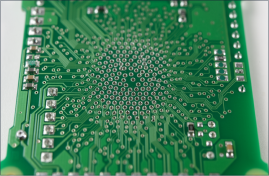
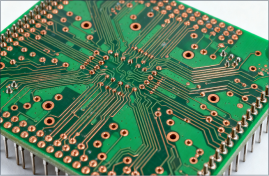
Manufacturing aspect: For automotive circuit boards, the minimum guarantee for perforated copper is ≥ 23um, with an average of 25um and more margin left; The hole thickness is guaranteed to be ≤ 25.4um (60um for holes larger than 0.8mm), far below the industry standard, to eliminate CAF problems; In terms of wiring: At 1oz, our etching tolerance is ± 10% or 1.5mil, leading the industry average. Electrical testing: We have four wire flying needle machines and low resistance testing machines, which can meet the low resistance testing needs of automotive customer core boards.
What are our automotive clients?
With a profound technical understanding of the automotive electronics field, stable quality, and flexible delivery times, we have gained the trust of many customers in the automotive electronics industry. Here is a list of some of our automotive customers:






Our circuit boards are used in popular car models such as Changan CS75, Geek, Ideal L6, and Wanjie.
Future improvement direction
With the continuous development of intelligent driving, the difficulty of current intelligent driving (ADAS), radar, and vision circuit boards has significantly increased compared to ordinary (host, HDU head up display, car instrument panel) circuit boards in the past 5 years, moving towards high and multi-layer, thick copper, and fine circuits, HDI, The development of high-frequency and high-speed direction poses new challenges for the production and manufacturing of circuit boards. Therefore, our technical plan in the automotive field is:
| Field | Project | Process Capability (now) | Process Capability (future) |
|---|---|---|---|
| Automotive Electronics | Copper thickness | Sample 8OZ, mass-produced 3OZ | Sample 8OZ, mass-produced 3OZ |
| Line width | ≥3mil/3mil | ≥2mil/2mil | |
| Number of layers | Sample 36 layers, batch 26 layers | Can meet the future requirements of automotive customers | |
| HDI order | 2nd order HDI | 3rd order HDI, arbitrary order HDI | |
| Mixing ability | FR4+PTFE | PTFE+ceramic, PTFE+FR4+ceramic, PTFE+fiberglass and other structures mixed compression |